
Services
Helping people and technology get better together.
From the first conversation to a fully embedded change, we help organisations adopt AI in ways that strengthen, rather than weaken, the relationships they depend on.
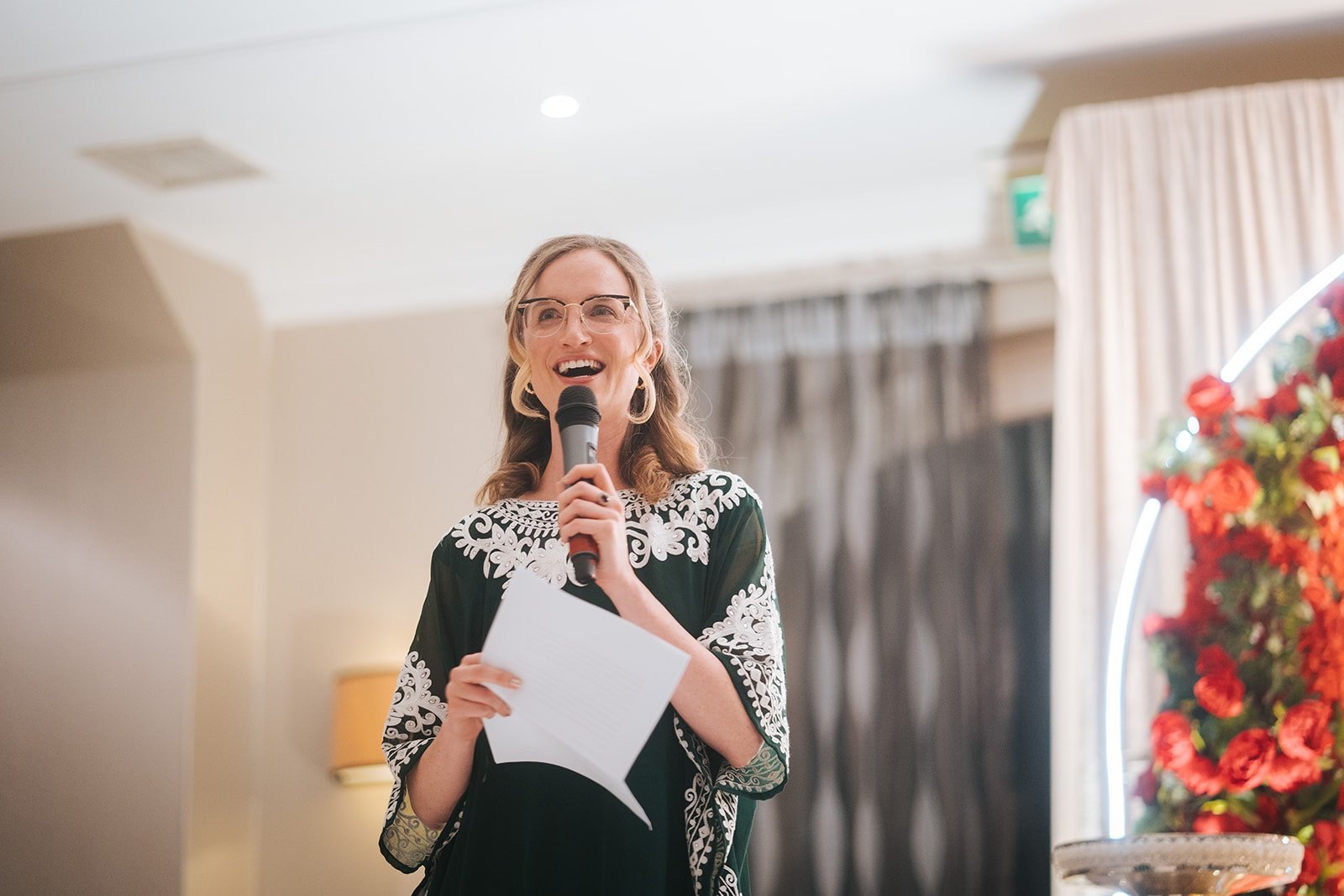
01 — Keynotes & talks
Keynotes that change the conversation
Our keynotes combine history, research and stories to help audiences think more clearly about AI and what it means for work, learning and wellbeing. They range from the 500-year story of our dreams of artificial intelligence to the latest evidence on AI and young people, and leave audiences informed, challenged and ready to act.
We regularly speak at conferences, staff INSET days, leadership retreats, board away-days and public events, and we tailor every talk to its audience.
Ideal for
- Conferences and festivals
- School and university staff days
- Leadership and board events
- Sector networks and membership bodies
Formats
- Keynote (30–60 mins)
- Panel chairing and contribution
- Talk plus facilitated Q&A
02 — Leadership workshops
Socio-technical systems leadership workshops
Hands-on workshops that give leadership teams the tools to see AI adoption as a socio-technical challenge. Together we map how new tools will affect roles, relationships, trust and wellbeing, and design adoption plans that make both the social and technical sides stronger.
Built on decades of research into how organisations really change, each workshop leaves your team with a shared language, practical frameworks and clear next steps.
Ideal for
- Senior leadership teams
- Governors and trustees
- Middle leaders and change champions
Formats
- Half-day or full-day workshop
- Multi-session programmes
- In person or online
03 — AI policy development
AI policies people can actually use
We help you write AI policies that are clear, proportionate and grounded in evidence, and that your people understand and support. We consult with staff, students or service users so the policy reflects how work is really done, not just what is technically possible.
The result covers acceptable use, data protection, safeguarding, wellbeing and accountability, and comes with guidance and training to put it into practice.
Ideal for
- Schools and trusts
- Universities and colleges
- Charities and local authorities
- Firms of every size
Formats
- Policy audit and gap analysis
- Co-designed policy development
- Staff guidance and training
04 — AI adoption management
AI adoption, managed with people in mind
Choosing an AI tool is the easy part. Making it work well for your people is harder. We guide you through the whole process: understanding needs, running pilots, evaluating impact and scaling what works. Throughout, we keep a close eye on the human systems the technology will change.
Our approach is research-led and evidence-based, so decisions rest on what is actually happening rather than what vendors promise.
Ideal for
- Organisations starting or scaling AI use
- Teams running AI pilots
- Leaders needing independent evaluation
Formats
- Discovery and readiness review
- Pilot design and evaluation
- Ongoing adoption support
05 — Organisational culture change
Culture change that makes technology work
Technology change is culture change. New tools reshape how people collaborate, make decisions and see their own roles. We work with you to understand your organisational culture, surface concerns early, and build the trust, skills and shared purpose that lasting change depends on.
We draw on socio-technical systems thinking to make sure productivity gains don’t come at the cost of relationships, wellbeing or meaningful work.
Ideal for
- Organisations facing significant change
- Teams where AI has caused anxiety or division
- Leaders wanting to build a learning culture
Formats
- Culture diagnostic
- Facilitated change programmes
- Staff engagement and listening
06 — Fractional AI leadership
Senior AI leadership, part-time
Not every organisation needs, or can afford, a full-time head of AI. Our fractional AI leadership gives you experienced, independent strategic guidance for a few days a month. We can sit on your leadership team, advise your board, and keep your AI strategy focused on your mission and your people.
It’s a flexible, cost-effective way to build capability while you work out what you need for the long term.
Ideal for
- Schools, trusts and colleges
- Charities and social enterprises
- SMEs and growing firms
Formats
- Monthly retained days
- Board and leadership advisory
- Strategy development and review

A focus on education
AI in schools and universities
Education is where AI’s effects on attention, learning and wellbeing are felt most sharply. We bring together experience in education leadership, research and young people’s wellbeing to help schools, trusts, colleges and universities respond wisely.
Policy & governance
Clear, workable AI policies for staff and students, co-designed with your community.
Staff development
INSET keynotes and workshops that build confidence and critical understanding.
Student wellbeing
Evidence-led guidance on AI, attention and cognitive health for young people.
FAQs
Questions we’re often asked
Can’t find what you’re looking for? Email us and we’ll be happy to help.
Do you work in person or online?
Both. We’re based in London and regularly deliver in person across the UK. Keynotes, workshops and advisory work can also be run online or as a hybrid.
How long does a typical engagement take?
A keynote or workshop can be arranged within a few weeks. AI policy development usually takes six to twelve weeks, depending on how much staff consultation you want. Culture change and fractional leadership tend to run for several months or longer.
We’re a school, not a tech company. Is this for us?
Yes. Education is where we have the deepest roots. Most of our work is with organisations whose main expertise is people, not technology, which is exactly where a socio-technical approach makes the biggest difference.
What does “socio-technical” actually mean in practice?
It means we never look at the technology alone. We look at how a tool will change roles, relationships, trust, wellbeing and ways of working, and design the adoption so the social and technical sides improve together.
Can you put together a team for a larger project?
Yes. Social Technical brings together expert teams. For larger projects we add associates with the right research, sector and technical expertise.
How much does it cost?
Every engagement is scoped to your needs and budget, and we work with charities, schools and social enterprises as well as larger organisations. Tell us what you have in mind and we’ll send you a clear proposal.
Not sure which service you need?
Most of our work starts with a conversation. Tell us where you are and what you’re trying to achieve, and we’ll suggest the best place to begin.